
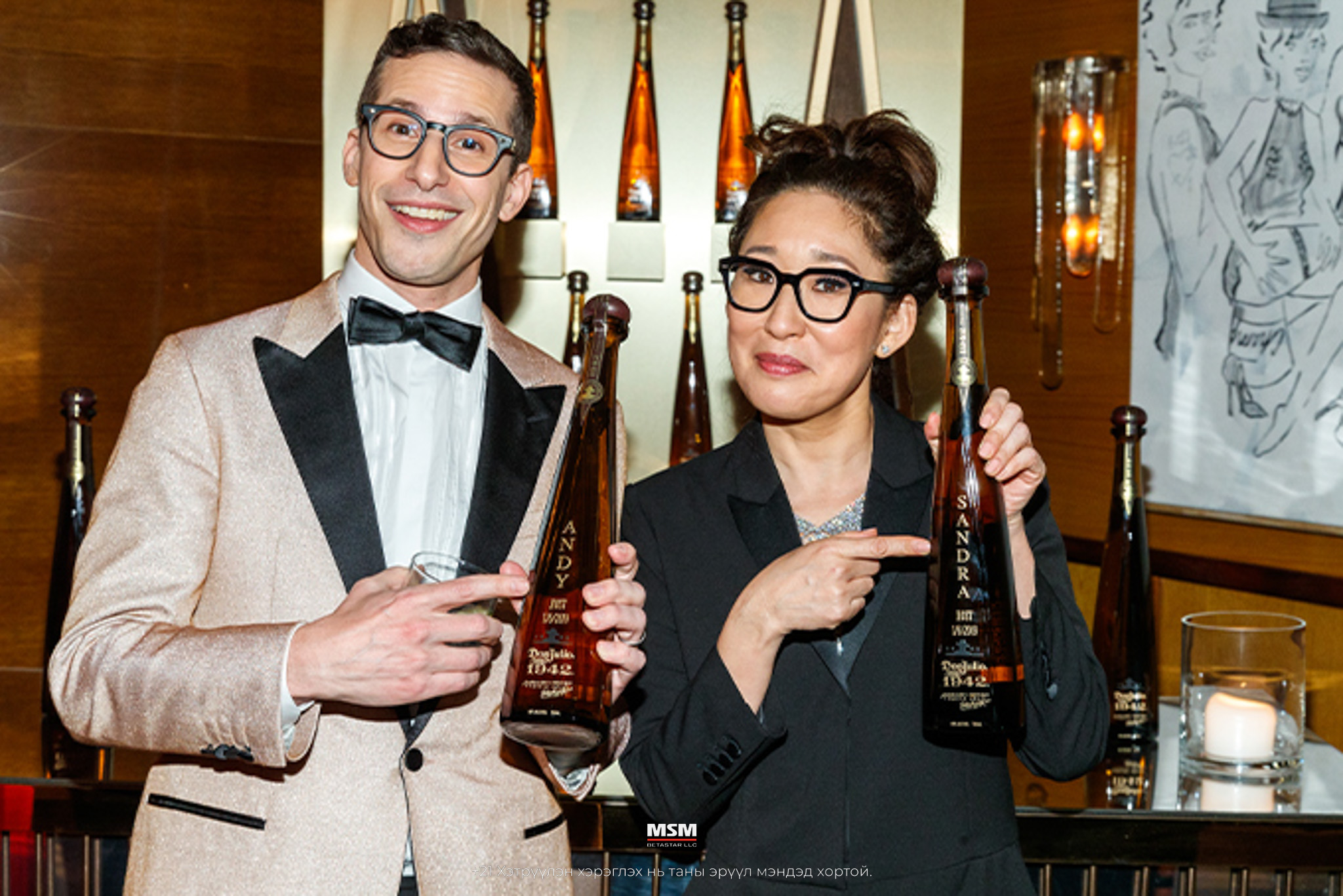
What do celebrities enjoy
How to check genuine beverage products.
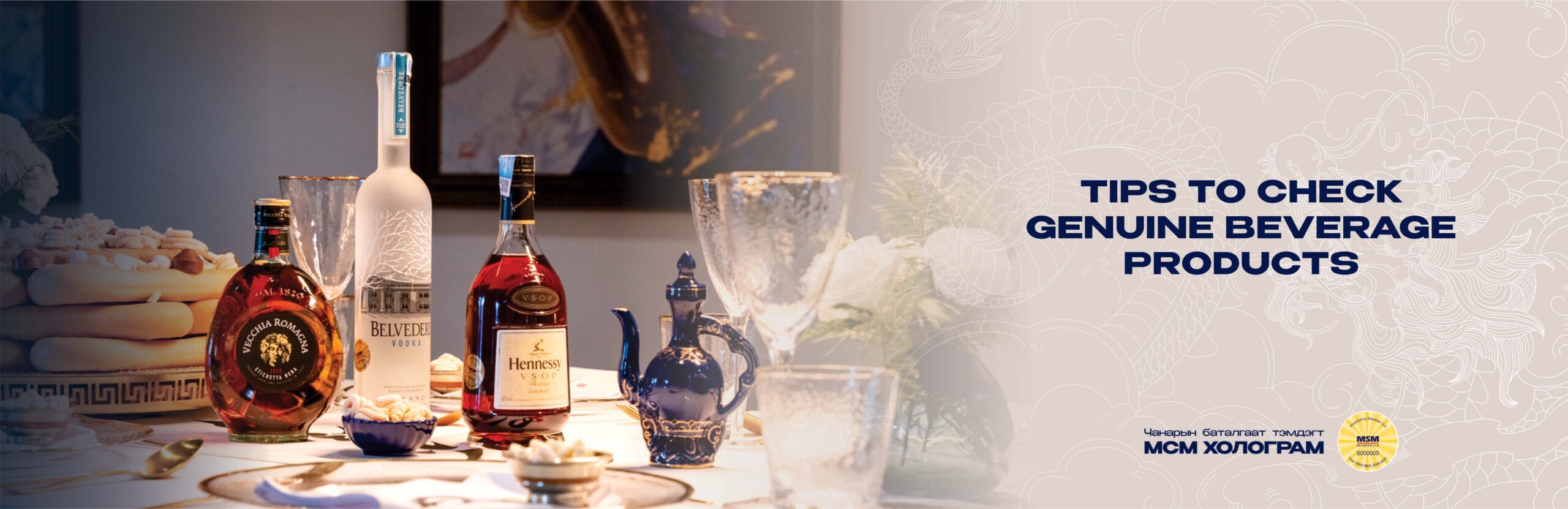
“MSM Betastar” LLC is the official distributor of Moët Hennessy, Diageo, Brown-Forman, Red-Bull, Ocean Spray, Lucas Bols, Fever-Tree, Mark Anthony, Flor de Cana, and Bellenda, distributing over 180 well-known luxurious brands such as Hennessy, Moët&Chandon, Jack Daniel’s, Johnnie Walker through the Sour liquor shop and MSM Betastar delivery application.To ensure the safety of beverages during the national holiday season, we are presenting the following tips to avoid buying counterfeit products from unknown sources. QUALITY ASSURANCE STAMP COUNTERFEIT BOTTLE AND LOT NUMBER When purchasing any beverage product, always check that the lid is intact and does not show any signs of being damaged or opened. Also, the plug stickers and seals must be of good quality.Product brand labels must be printed in high quality, crisp, and clear, and if it is blurry or misspelled, it is likely to be a counterfeit product.The LOT number is laser printed on the bottom of the packaging of each beverage bottle. On all genuine packaging, brand owners print the LOT number, which allows them to track the product’s origin and date of manufacture. It should be noted that the counterfeit products with has same LOT number are removed on purpose and suppressed to prevent the possibility of re-use and traceability on the bottle. Also, for high alcohol volume products, the bottle is sometimes with or without a bottle measure pourer for controlling the amount of liquid, which varies depending on the intended use (catering, events) by the manufacturer of the product.“MSM Betastar” LLC is officially distributing over 180 well-known, genuine brands such as Hennessy, Moet&Chandon, Jack Daniel’s, Johnnie Walker through the Sour liquor shop and MSM Betastar delivery application. We offer the service of purchasing and ordering delivery of more than 180 types of world-famous brand products officially supplied by “MSM Betastar” LLC through the “MSM Betastar” application and “Sour” liquid food department store.